The AC-versus-DC question comes up in nearly every site survey we do, and the answer almost always turns on one variable: how long does a vehicle typically stay parked at your property?
AC charging — the workhorse
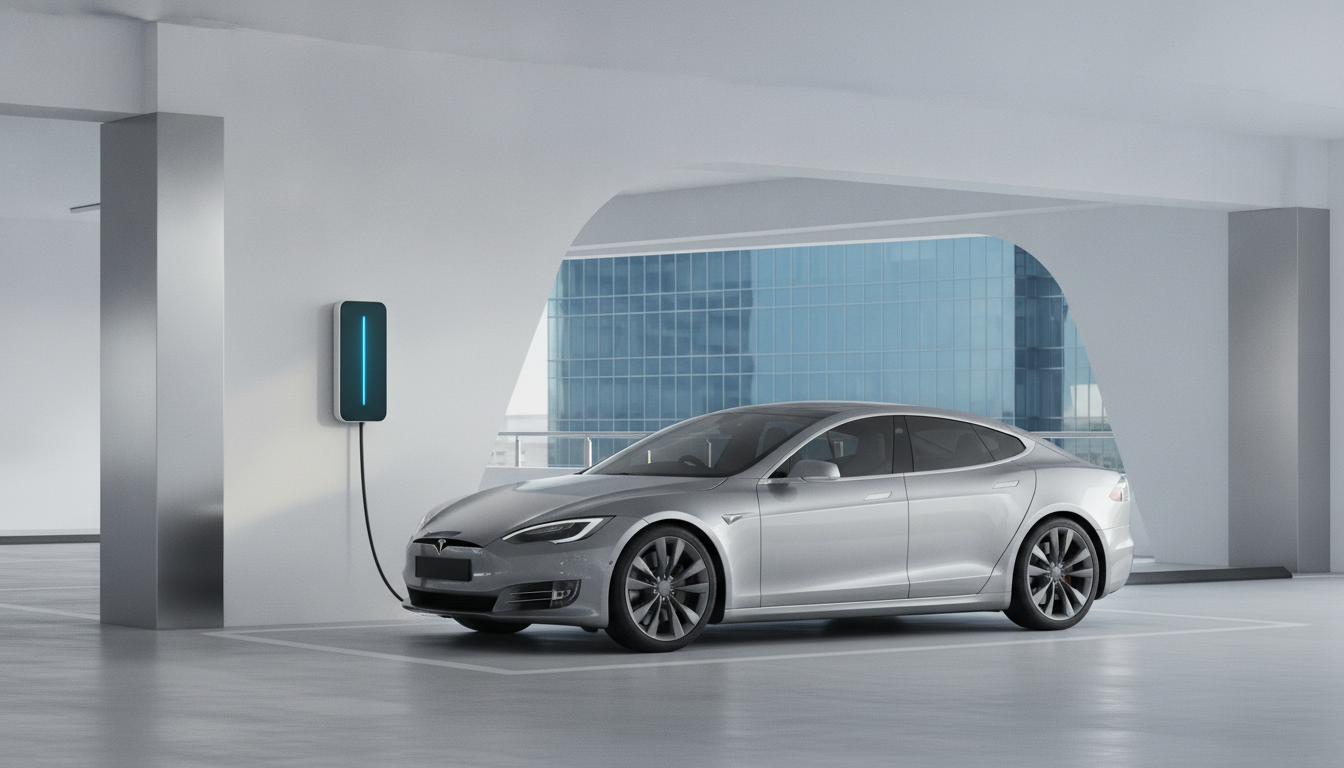
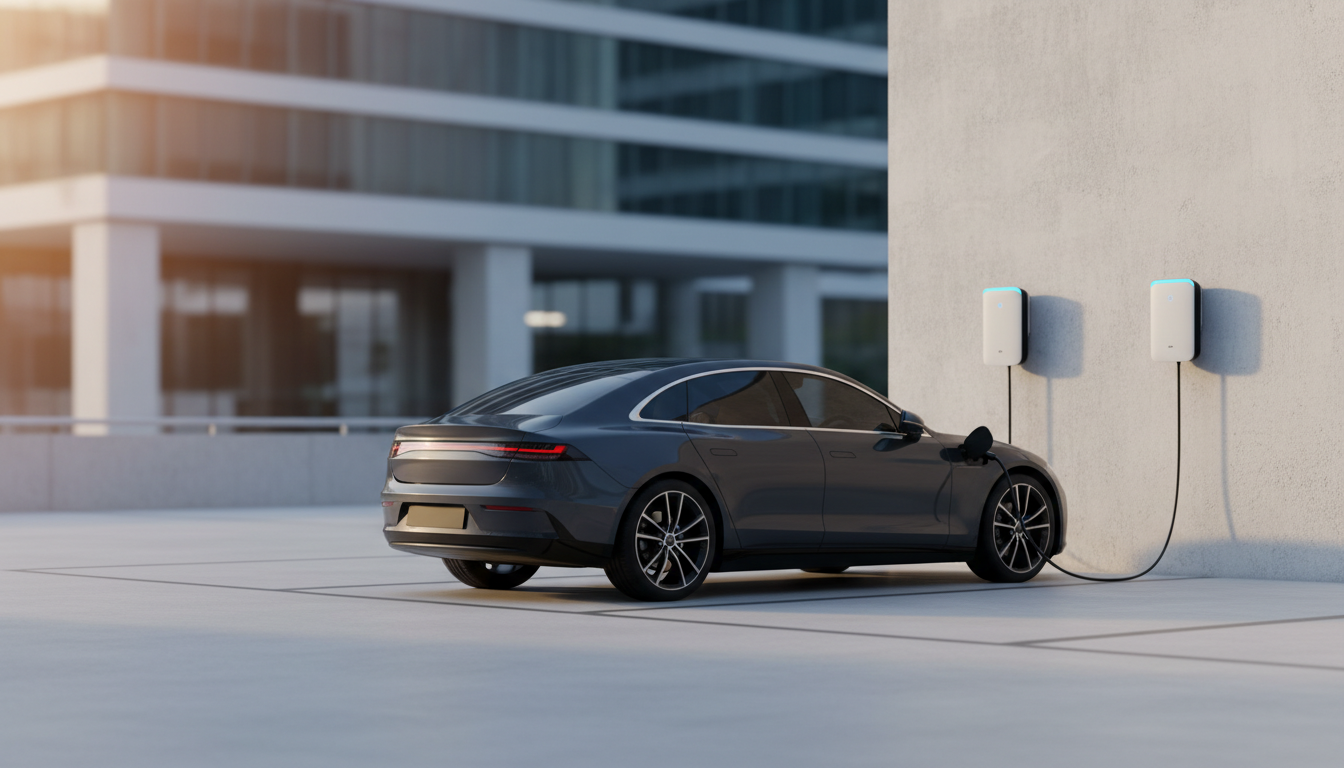
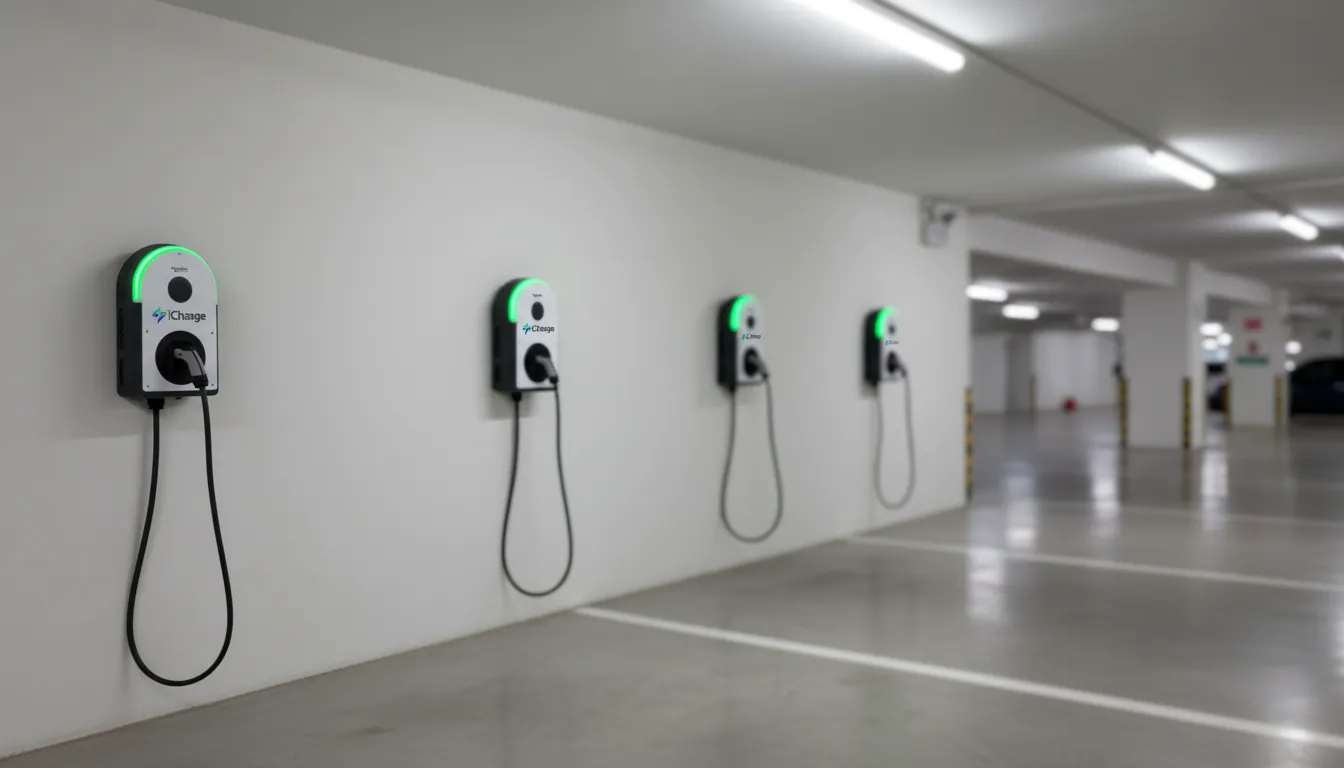
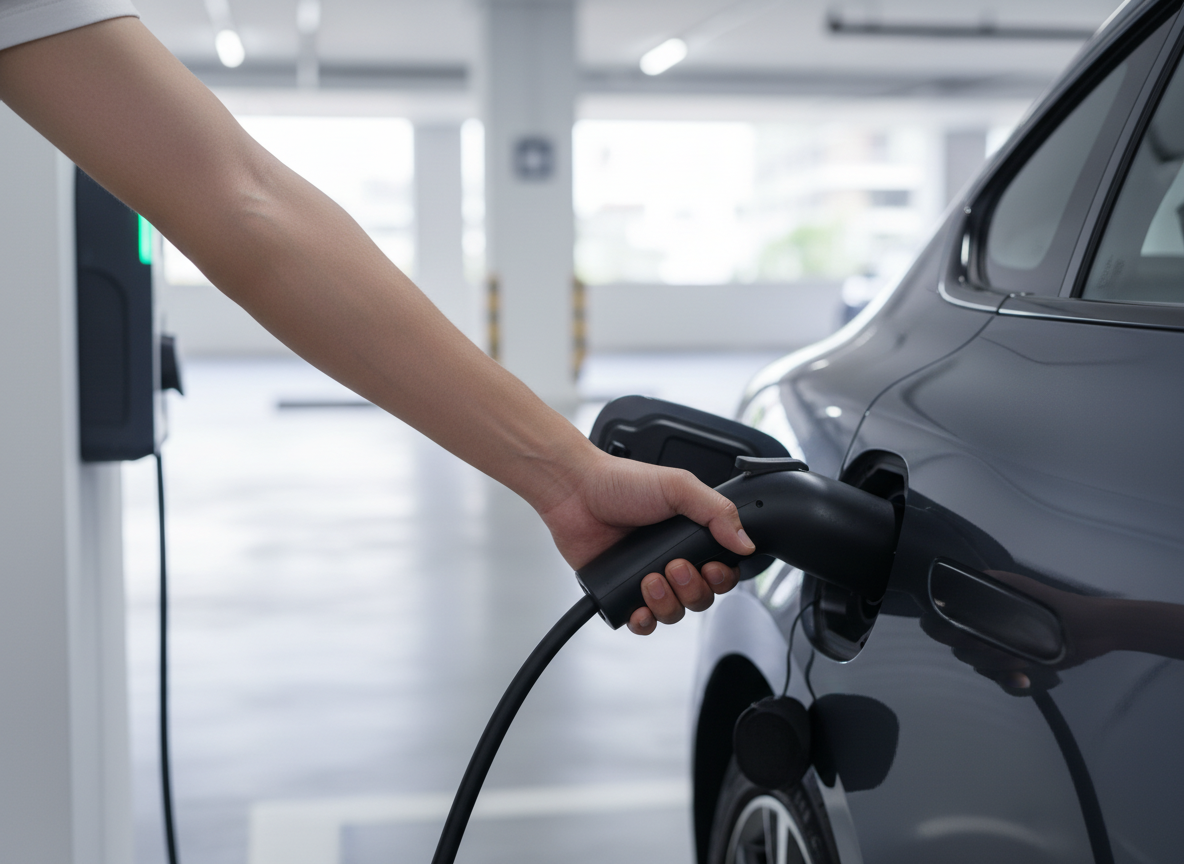
AC charging delivers between 3.7 kW and 22 kW per bay (most Singapore residential deployments are 7.4 kW or 11 kW). At 7.4 kW, a typical EV adds about 40 km of range per hour of charging. That’s a poor fit for a 30-minute mall visit, but a great fit for residential overnight parking, office workplaces and hotel stays — anywhere a vehicle is parked for 4+ hours.
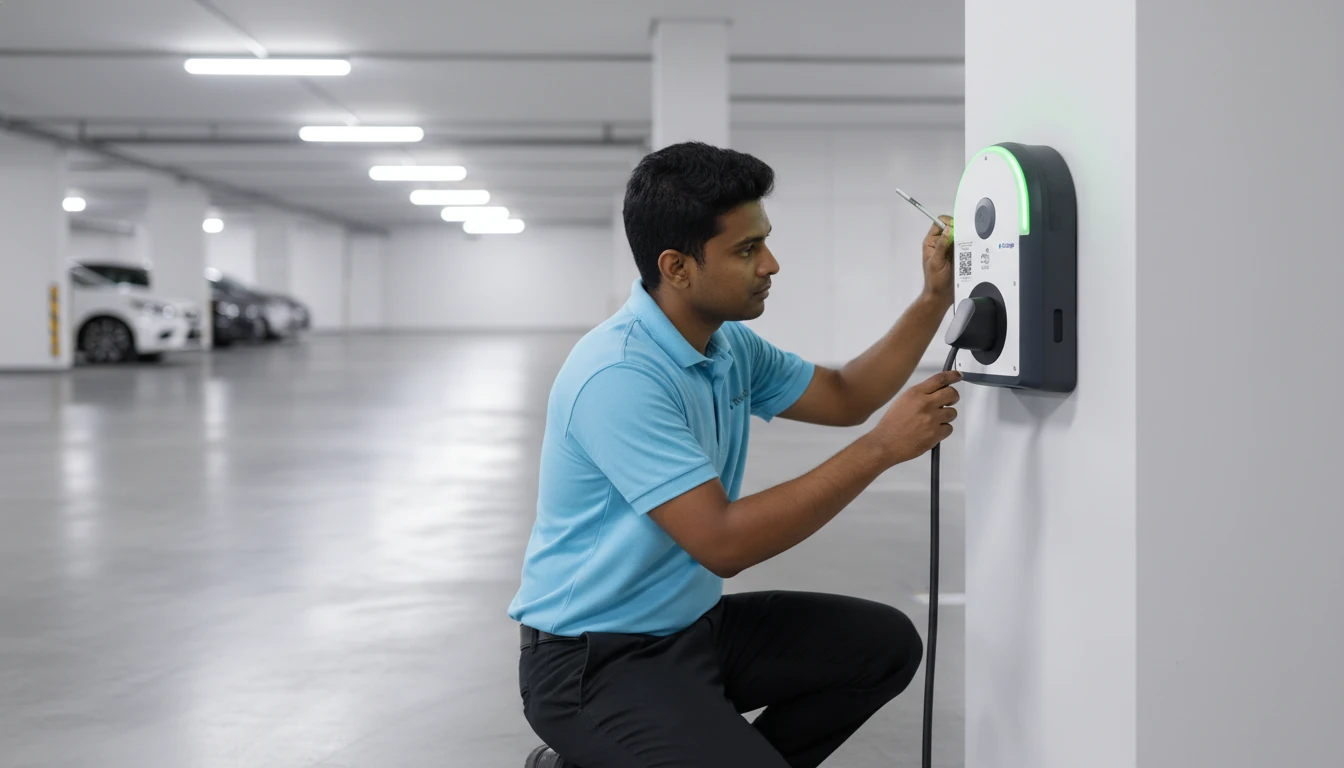
AC bays are also significantly cheaper to install: smaller wallbox, simpler conduit, less load on your distribution board. For most MCSTs and offices, AC is the right answer for the bulk of bays.
DC fast-charging — for transient flows
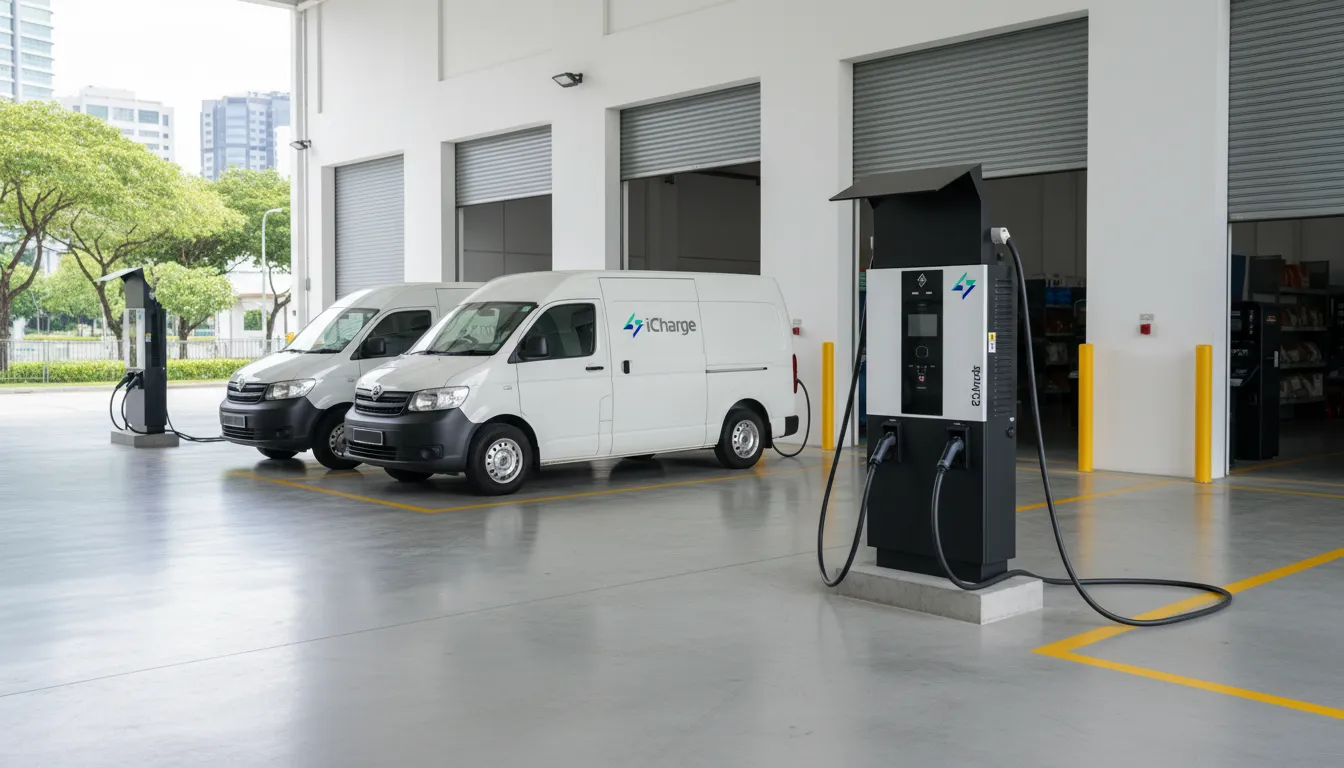
DC fast-chargers (50–180 kW in most commercial applications) push energy directly into the battery without going through the vehicle’s onboard AC-DC converter. A typical EV will gain 200+ km of range in 20 minutes on a 50 kW unit. The trade-off: significantly higher equipment cost, more demanding electrical infrastructure (often a dedicated transformer at higher capacities), and a higher operating cost per kWh.
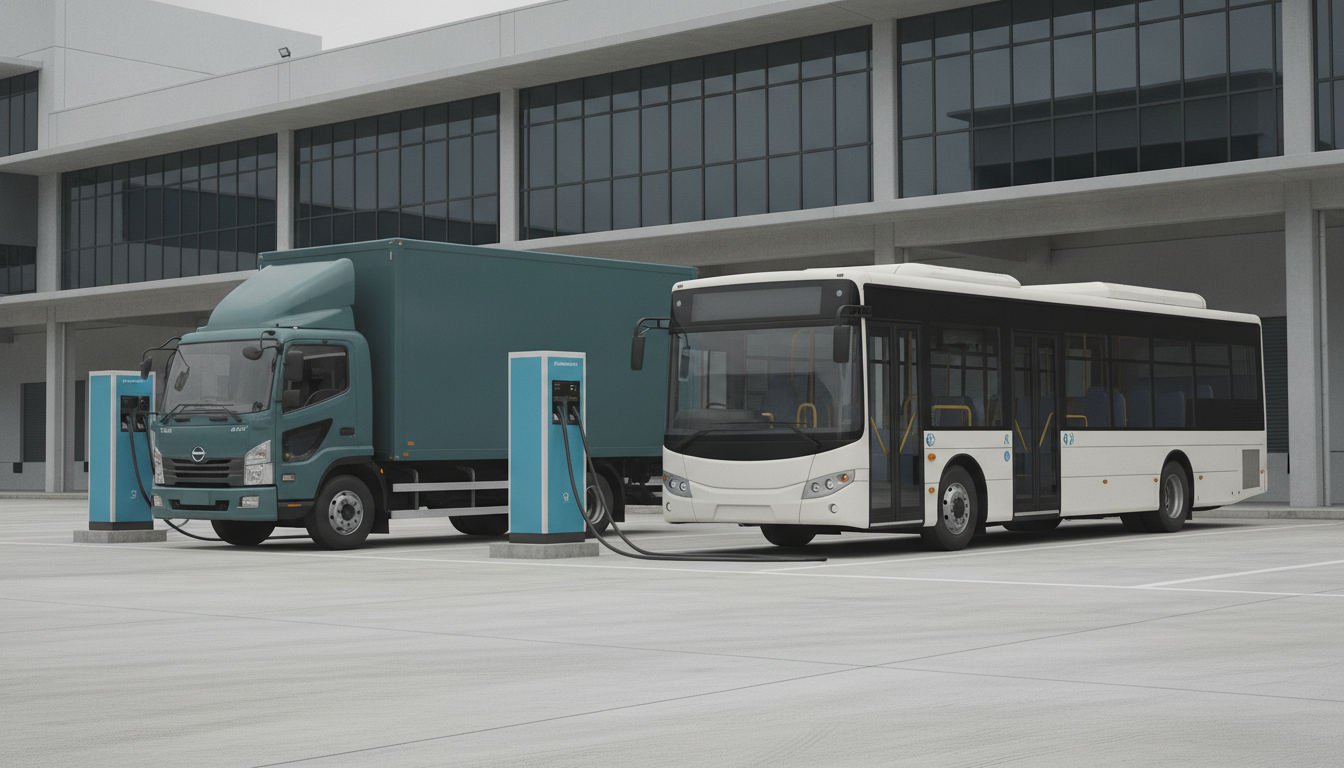
DC is the right call for malls, petrol-station-style charging hubs, fleet depots with shift-based operations, and visitor bays at hotels or commercial buildings.
A practical rule of thumb
- Residential MCST / condominium: 100% AC for resident bays. Optionally one DC unit for visitor parking.
- Commercial office: AC for staff parking, plus 1–2 DC units for visitor bays.
- Mall / retail / hotel: Mixed — DC for short-stay visitor bays, AC for staff and long-stay.
- Fleet depot: AC if vehicles are parked overnight; DC if there are mid-shift turnaround windows.
If you’re not sure which mix fits your site, contact us for a discussion.